
 中文
中文



Parent Workshop: Academic Honesty at Huamao
This parent workshop focused on academic honesty, helping families understand why integrity matters in learning and how students can use AI responsibly while maintaining high academic standards.
What Academic Honesty Means
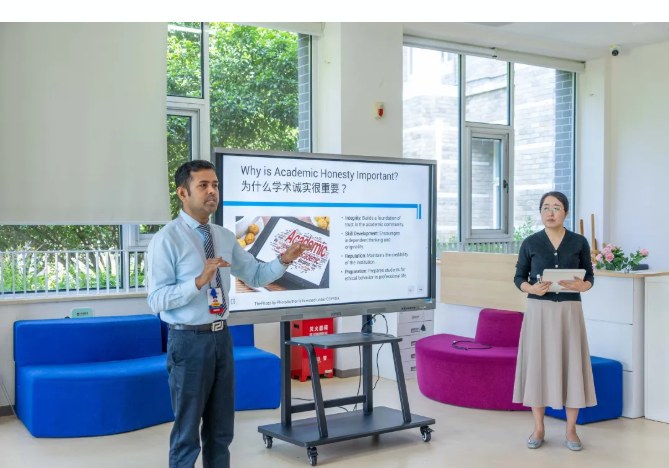
The workshop began with an introduction from the IB Diploma Programme coordinator, who explained the meaning of academic honesty and its importance in every area of academic life.
Academic honesty is the foundation of fair and responsible scholarship. It requires students to follow agreed academic conventions, cite the work of others properly, avoid plagiarism and misconduct, and develop original thinking.
Why It Matters
For students, integrity reflects honesty, respect for others, and a commitment to ethical conduct. It builds personal credibility and supports trust within the learning community.
Academic honesty also strengthens critical thinking and problem-solving skills. Cheating or plagiarism removes opportunities to learn from mistakes. A consistent commitment to integrity helps students prepare for future study, university applications, and professional life.
How the School Supports Integrity
Huamao maintains high expectations for academic honesty through the shared efforts of students, teachers, and parents. Teachers model ethical academic behavior, encourage independent work, and help students seek appropriate support when needed.
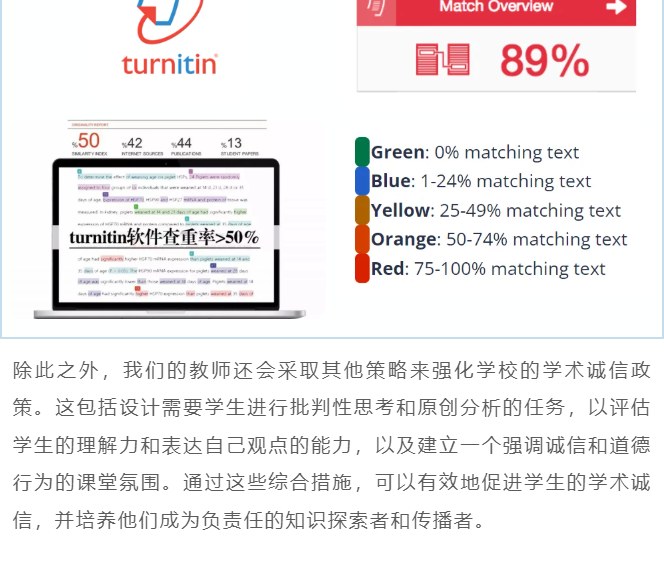
The school also uses tools such as Turnitin to compare submitted work with academic databases and previous submissions. Similarity reports help teachers identify areas that require review and provide students with clear feedback on proper citation and originality.
Academic misconduct is handled through a staged process. A first violation may result in an oral warning, a zero for the relevant assignment, a written reflection, and parent notification by the DP coordinator. A second violation may lead to a written warning, another zero for the assignment, a three-day suspension, and a parent-signed reflection report. Serious or repeated misconduct can lead to further action, including formal written notice to parents and removal from the DP course pathway.
Responsible AI Use
Huamao has clear expectations for the use of artificial intelligence. Students must use AI tools ethically and take responsibility for how they use them. Any AI-assisted work must be clearly acknowledged and properly referenced.
Students are expected to review AI-generated material carefully to protect originality, accuracy, and completeness. AI must not be used for plagiarism or any other form of academic misconduct. Used appropriately, it can support critical thinking, research, and learning efficiency.
- Research and data analysis: AI can help collect, organize, and analyze information for assignments and research projects.
- Learning support: AI-based platforms can help students review difficult concepts and deepen understanding.
- Writing improvement: Grammar and feedback tools can improve accuracy and clarity, while the student remains responsible for original work.
- Time management and exam preparation: AI can support planning, revision, and study strategies when used responsibly.
Working With Families
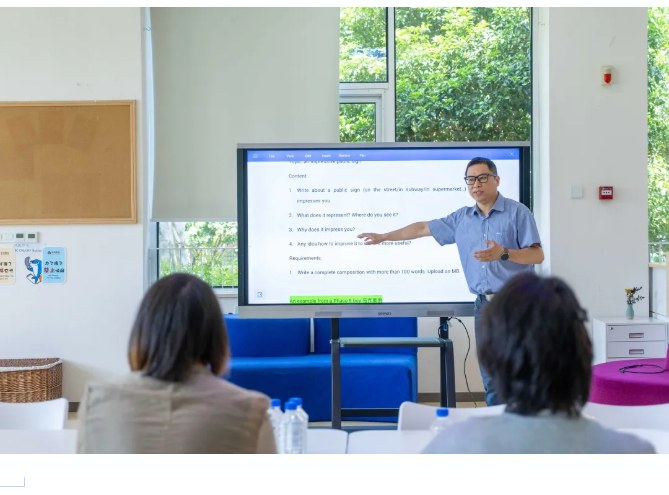
During the workshop, teachers used specific examples and data to explain the consequences of academic misconduct. Parents discussed how to reinforce integrity at home by modeling ethical choices, encouraging independent thinking, and helping children understand proper citation and respect for other people’s work.
Academic honesty is a shared commitment between school and family. With consistent guidance, students can build responsible learning habits and a lasting respect for original work.